
Weaving Livelihoods, Reducing Vulnerability: DRAC’s Basket Weaving Intervention in the Upper East Region. Weaving Livelihoods, Reducing Vulnerability:
Wednesday March 4,
Why Economic Empowerment Matters.
Findings from DRAC’s 2025 baseline study across 13 endemic communities in the Upper East Region reveal deep socio-economic vulnerability:
65.9% of households earn GHC 1,000 or less per month.
53.4% of respondents have no formal education.
69.6% are not formally employed, relying largely on subsistence farming and petty trading.
Although 84.9% are registered with NHIS, only 69% have active membership, with 68% of inactive members citing lack of money for renewal.
These figures highlight a critical reality: even when health services exist, economic barriers prevent consistent access. In communities where nearly half of households fall within extremely low to low income brackets, income generation becomes a health intervention.
Basket Weaving: A Cultural Asset with Economic Power
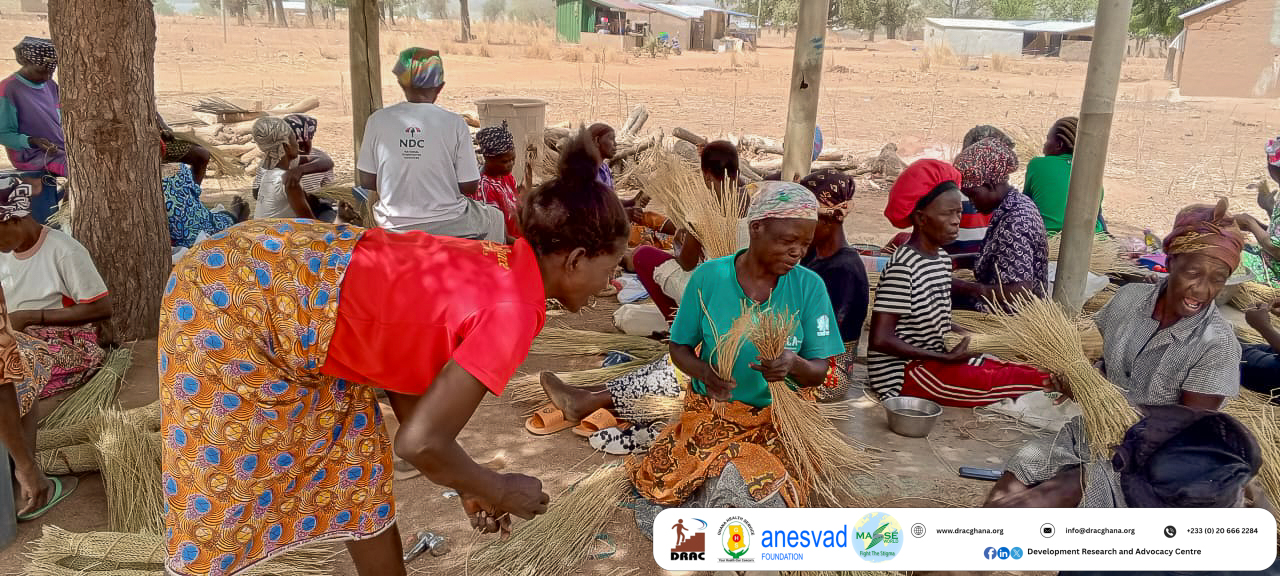
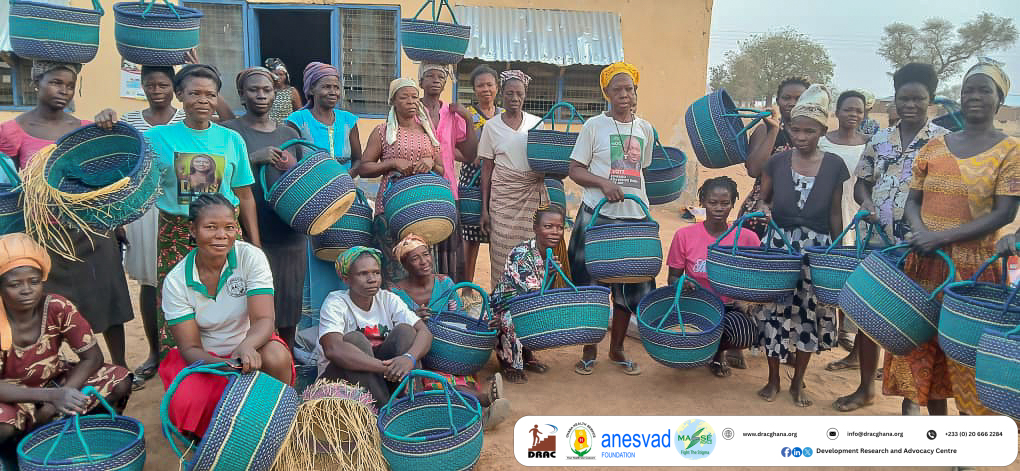
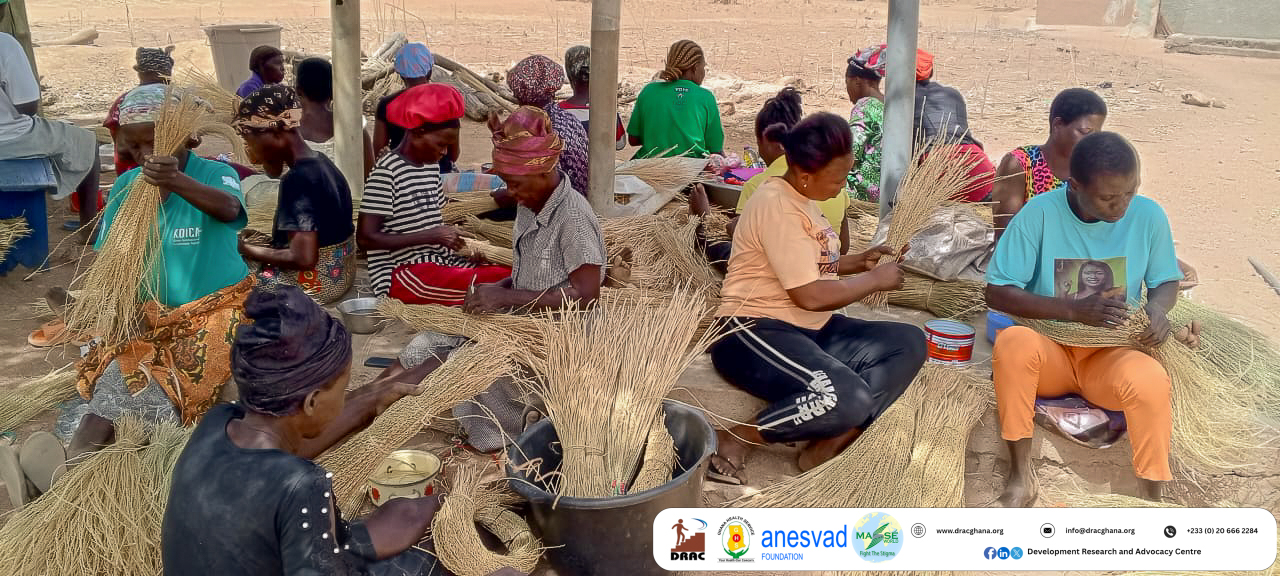
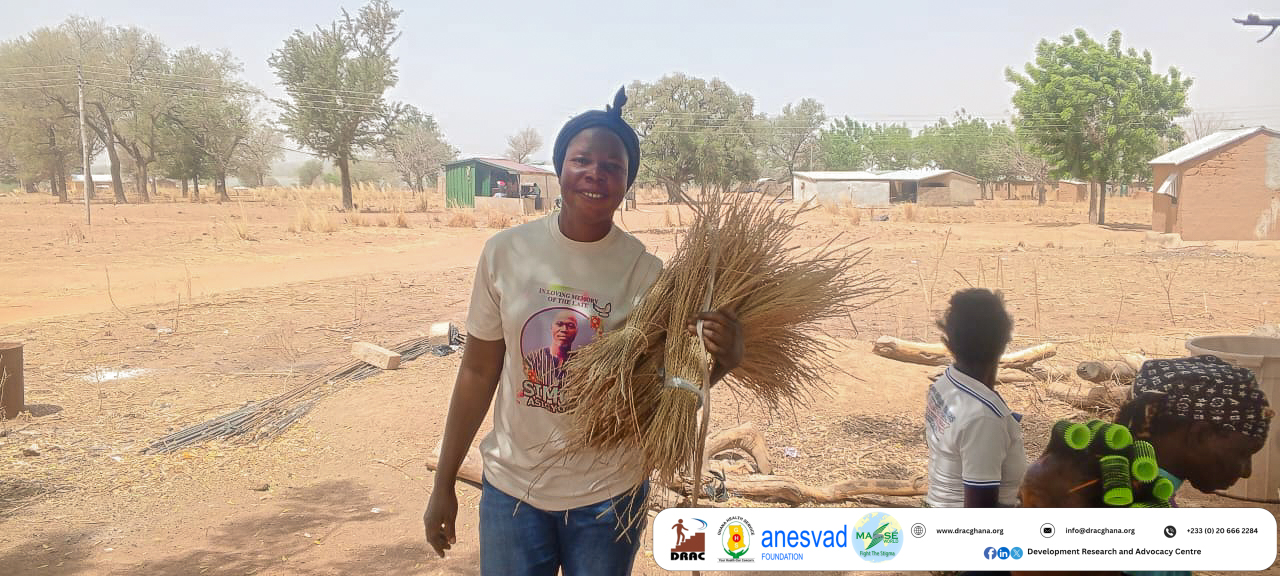
Basket weaving—especially the iconic Bolga basket tradition rooted in Bolgatanga—has long served as a supplementary livelihood in northern Ghana. Traditionally crafted from elephant grass and dyed using natural methods, these baskets are both functional and globally marketable.
By building on this existing cultural skill, DRAC avoids introducing unfamiliar livelihood models. Instead, the project strengthens and formalizes what communities already know—transforming a traditional craft into a structured economic opportunity.
The Revolving Support Model.
DRAC’s basket-weaving intervention operates through a revolving scheme designed for sustainability and scale.
In Phase One:
-
One hundred fifty beneficiaries received material support, including elephant grass straws and dye.
-
Beneficiaries are required to pass on equivalent quantities of materials to others in a structured cycle.
-
The project aims to reach 400 beneficiaries by the end of the implementation period.
This model ensures that support multiplies beyond initial funding, fostering shared responsibility and community ownership.
Delayed Treatment Due to Financial Barriers.
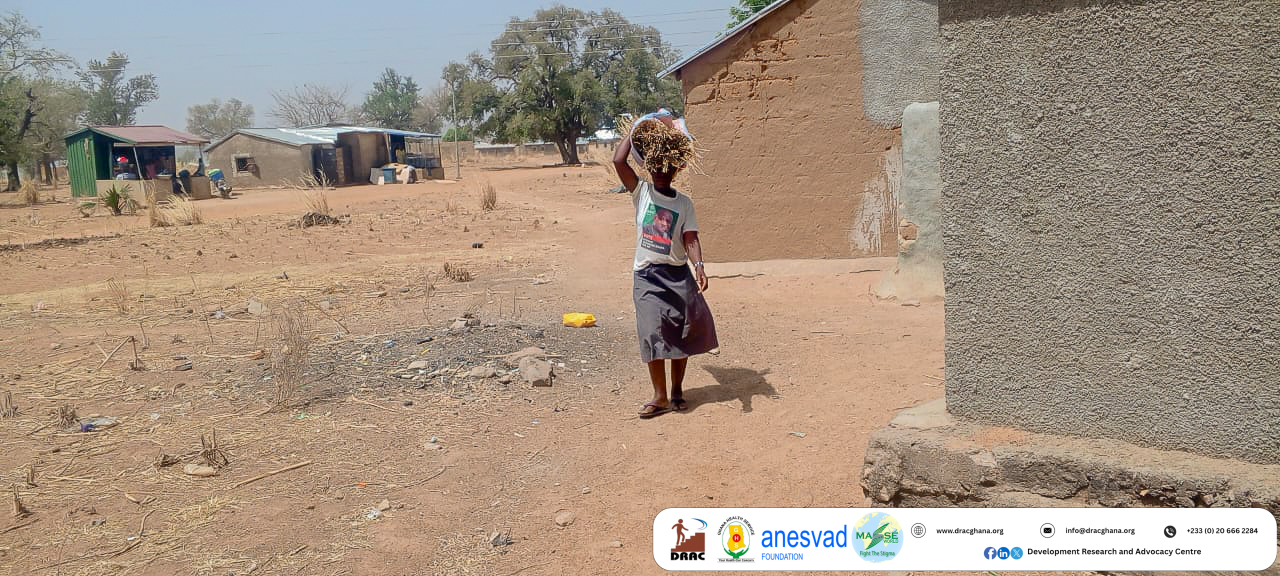
Among those with chronic wounds (7.8% of households reported non-healing wounds):
-
Over 52% experienced wounds lasting between 6 months and 2 years.
-
19% reported wounds lasting more than 2 years.
Financial constraints contribute to delayed care-seeking and reliance on traditional remedies. Economic empowerment improves the ability to seek timely medical treatment and maintain active NHIS membership.
Market Linkages and Skills Development
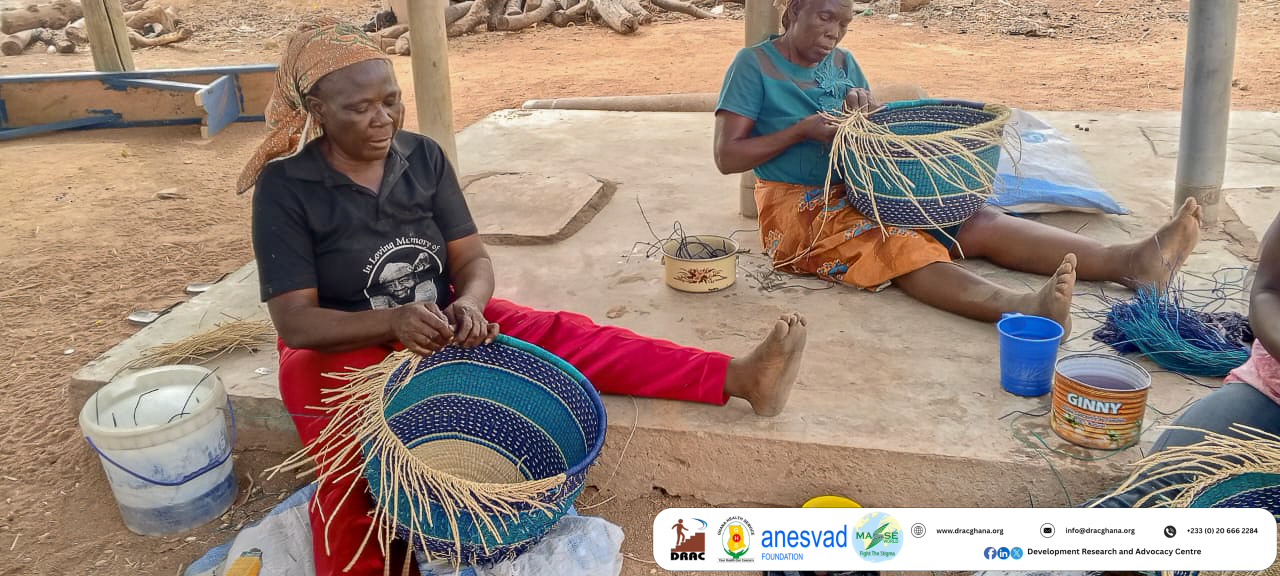
Beyond providing materials, DRAC connects beneficiaries to buyers who:
-
Provide training in high-demand product designs.
-
Guide quality improvement.
-
Support structured offtake arrangements.
This market-driven approach ensures that weaving translates into reliable income, not just production without profit.
Women at the Center
Basket weaving in northern Ghana is predominantly driven by women. In communities where household sizes are often large (over 50% of households have five or more members), women’s economic participation significantly influences health, nutrition, and educational outcomes.
By strengthening women’s earning capacity, DRAC strengthens entire households.
Beyond Treatment: Building Resilient Communities
The Skin NTDs Plus Project, implemented by the Development Research and Advocacy Centre in collaboration with the Ghana Health Service, adopts a holistic approach that integrates:
-
Biomedical care
-
Community education
-
WASH promotion
-
Social protection linkages
-
Economic empowerment
Basket weaving is not a standalone activity—it is a strategic response to the economic drivers of disease vulnerability.
From 150 beneficiaries in the first phase to a target of 400, the intervention represents more than livelihood support. It is an investment in health access, dignity, sustainability, and long-term resilience.
In the Upper East Region, every woven basket is not just a product for sale—it is a step toward breaking the cycle of poverty and disease.